Close

Your Name (required)

Your Email (required)

logo

Blog/Latest News, Podcasts - 6th January 2012

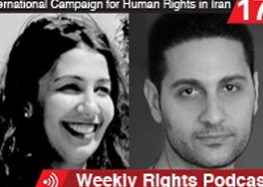
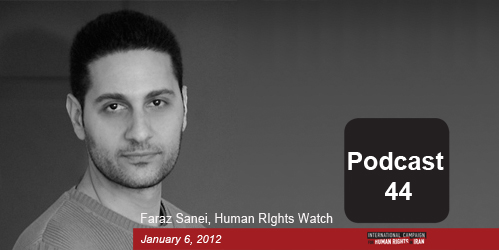
Podcast 44: Iranian Refugees in an interview with Faraz Sanei
Print


Audio clip: Adobe Flash Player (version 9 or above) is required to play this audio clip. Download the latest version here. You also need to have JavaScript enabled in your browser.


The idea of ‘being a refugee’ can evoke many different images in people’s minds.  Refugees from Iran are perhaps not what one may immediately think of as ‘typical’. To start with, there’s a relatively wide range of reasons behind people’s decision to flee – from religious persecution to the ongoing witch-hunt for dissidents and political activists.  What happens once they cross the border also varies quite a bit.  While the luckier ones eventually get resettled and can start to rebuild their lives in another country, many end up in permanent limbo – or even back where they started.

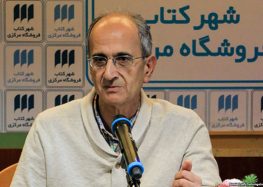
We wanted to get a clearer picture of what the Iranian refugee situation looks like today. On today’s show, the Campaign speaks with Faraz Sanei, Middle East and North Africa Researcher at Human Rights Watch.  Over the past year he has traveled to Iraqi Kurdistan and Turkey where he met with Iranians who fled the country seeking safe haven.

Make a Comment

Comment

Spam Protection by WP-SpamFree

Recently Added Content

Women’s Rights

The Iranian women’s rights movement is the most vibrant social movement in Iran today. Having built an extensive grassroots base, Iranian women are campaigning to fight legal gender discrimination. The government routinely persecutes and prosecutes women’s rights activists.

Report on the Status of Women Human Rights Defenders — April 2009
The Systematic Repression of Women — May 2008

_____________________________________

More on Women’s Rights


Academic Freedom

Government Attacks Baha’i Online University, Detains 30 Instructors

During the past few years, Iranian universities have been experiencing a new phase of government intervention in academic affairs, which is considered a second Cultural Revolution. The present government policy is demonstrated on several fronts and is resulting in severe infringements on academic freedoms.
 
 
Report on the Situation of Academic Freedom on University Campuses — December 2008
_____________________________________

More on Academic Freedom


Workers’ Rights

Iranian workers and teachers are denied many protections of basic workers rights, as defined and articulated under longstanding international labor standards. Iranian workers are deprived of such fundamental rights both under Iranian labor law and in practice.
   
Background Information on the Rights of Workers in Iran — March 2008  
_____________________________________

More on Workers’ Rights