Amidst Ambiguity, Lights Turned On Inside Karroubi Residence
Among Continuing Ambiguities, Lights Switched On Inside Karroubi Residence
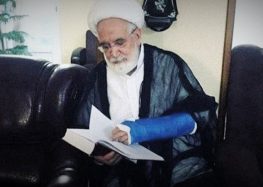
While ambiguity surrounds the detention and location of Iran’s opposition leaders, on Thursday 10 March, Saham News quoted one of Mehdi Karroubi’s family members, stating that the lights inside Mehdi and Fatemeh Karroubi’s house, located in Farmanieh neighborhood in Tehran, were on. This is the first time after 18 days that the house lights have been turned on.
“We still believe our parents have been transferred to an unknown location in an arrest-abduction operation, and even if based on ample internal and external pressure and through the heroic actions of the people they are returned to the house, until we can see them in their house, we will not be deceived by the government actions,” a Karroubi family member told Saham News website, which belongs to Karroubi’s Etemad Melli Party. He also said that even if Mehdi Karroubi and his wife have been transferred to their home, this would not be considered the end of their detention.
While some sources have reported the transfer of Mir Hossein Mousavi and his wife, Zahra Rahnavard to their home, an informed source, confirming this news, told the International Campaign for Human Rights in Iran that the couple have been transferred from the “safe house” that they were being held back to their house. About the situation of Mahdi Karroubi and Fatemeh Karroubi, the informed source said: “The order for transfer of these two to their houses has also been issued, but the reason for the delay in implementation of this order is unclear so far.”
“Last week, Mir Hossein Mousavi and Zahra Rahnavard were returned to their house on Pasteur street from their holding place in a ‘safe house’ around Tehran by an order from the Supreme Leader,” the informed source told the Campaign. “The transfer of Mir Hossein Mousavi and Mehdi Karroubi and their wives to a place outside of Tehran was due to fears that people might act to break their house arrest. This concern also led to the change of the four individuals’ holding location several times. They were held in several ‘safe houses’ around Tehran,” the source added.
“Street protests, international reactions, and protests from some influential individuals inside the country caused the government officials to initially deny the ‘house arrest’ and later on, the ‘detention inside a safe house,’ and ultimately, they were forced to return the Green Movement leaders to their homes. Even so, Mousavi, Mehdi and Fatemeh Karroubi, and Rahnavard are still deprived from making any contact with their relatives and are under detention conditions,” the source also told the Campaign.
“Everything that has happened to Mir Hossein Mousavi, Mehdi Karroubi, Fatemeh Karroubi, and Zahra Rahnavard, from house arrest to transfer to a ‘safe house,’ and again their return to a house arrest condition, and also the detention and putting pressure on the children of these four from 14 February until now has been done with the goal of putting pressure on the Green Movement leaders, and has been done by IRGC senior officials and with total oversight from the Supreme Leader,” the resource added.