Tear Gas Used On 14 February Causes Severe Symptoms Among Protesers
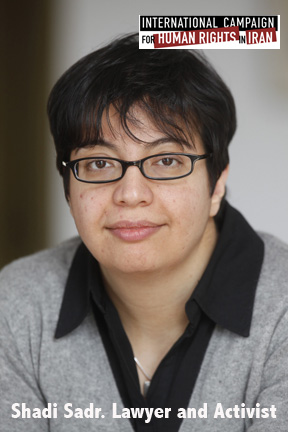 Shadi Sadr, an Iranian human rights lawyer, told the International Campaign for Human Rights in Iran that at least three people who participated in the 14 February protests have expressed that the tear gas used against the protesters was different from that used previously. According to the three individuals, when they returned home after exposure to the tear gas, they suffered symptoms such as severe nausea, vomiting blood, and loss of voice and their symptoms have not yet subsided.
According to an opinion issued by the Iranian Armed Forces Legal Office, though use of tear gas is not considered a crime, “any type of bodily injury to others which according to Islamic Penal Code is recognized eligible for payment of Diya [blood money] or Qisas [retribution], is considered a crime and it may be pursued in qualified judicial courts. Type of the instrument used in creating the bodily harm is irrelevant to whether or not a crime has taken place.”
“I know of three people who are suffering from pains which were unprecedented as compared to the previous occasions. One of them had severe nausea and vomited blood, to the point where he was seen by a doctor and has had to take tests. One of them continues to have no voice through today and cannot be heard even 10 centimeters away. All three are suffering from severe muscular pains and cramps,” Shadi Sadr told the Campaign. The distinguished Iranian lawyer also said that other people who attended the 14 February gatherings have confirmed the symptoms of this tear gas through her Google Reader. A source reliable to Ms. Sadr told her, “My friend told me today that she and at least three other people are suffering from body aches, sore throat, and severe cold-like symptoms.” They also reported that they were previously exposed to tear gas, but they had never experienced such symptoms before.
The referenced individuals have stated that substances in the tear gas used on 14 February were different. After exposure to the tear gas, none of these individuals were able to leave their homes due to severe pain, nausea, and other physical symptoms, and they have had to stay home. In order for human rights organizations to follow up on bodily harm caused by tear gas used on 14 February 2010, Shadi Sadr recommended that they see physicians and take blood tests which would show the effect of harmful substances on their body.