Another Step Toward Limiting Iran’s Civil Society: Iranian Police to “Organize” Activities of NGOs
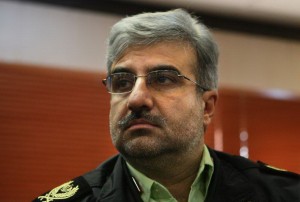 Mohammad Reza Alipour, Deputy Commander of the Tehran Police said that the police intend to organize nongovernmental organizations in a “centralized” way, a signal to activists that creating new impediments for Iran ’s civil society is entering a new stage. In introduction ceremonies for his new position as second in command in Tehran’s Police Force on April 24, 2010, Alipour said: “The police’s concern is that there is insufficient supervision over citizen organizations and in some of them there is administrative chaos…There is no oversight for issuing licenses for these organizations.”
The Policy Governing Procedures to Establish and Operate Non-Governmental Organizations, approved at a 19 June 2005 Cabinet meeting (proposed by the Ministry of Intelligence on 30 July 2004 according to Article 138 of Iranian Constitution), has defined institutions charged with oversight of non-governmental organizations. Over the past years, Governor’s Offices, Provincial Offices, and the Interior Ministry have been in charge of reviewing the qualifications of NGOs. Members of the boards of directors of NGOs apply for police clearance at the time of initial establishment, but the Interior Ministry is responsible for centralized coordination of NGOs. The police are only responsible for issuing licenses to civil society organizations that are considered charities.
Over the past few years, Iranian civil society organizations have raised concerns over the interference of police and intelligence forces in their operations. The Intelligence Ministry is an institution that has expressed opinions about the establishment of many NGOs and in many cases those opinions have resulted in denied licenses despite the fact that their members had no judicial records. Considering the police and security nature of Iranian law enforcement and a lack of suitable structures for organizing the activities of NGOs, the transference of oversight responsibilities from the Interior Ministry or other administrative office to a security-police organization heralds further limitations for these organizations.
After Mahmoud Ahmadinejad’s election in 2005, Iranian civil society organizations faced serious limitations. In its first step, Ahmadinejad’s cabinet cut funding earmarked for supporting NGOs. License issued for NGOs active in human rights, women’s rights, and other legal areas was either completely eliminated or seriously cut. The Defenders of Human Rights Center, the Iranian Journalists’ Association, the Institute of Volunteer Activists, the NGO Training Center, the Rahi Institute, and tens of other organizations have been shut down in the past few years and in some cases their managers and members arrested and imprisoned.
Related information: Operational Procedures of Non-Governmental Organizations (Persian)