Disqualification of Lawyers and the Iranian Bar Association’s Demise: An Interview with Abdolsamad Khorramshahi
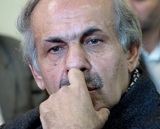 Distinguished Iranian attorney Abdolsamad Khorramshahi is one of 36 attorneys who were recently disqualified by the Judges Court for membership in the Board of Directors of the Iranian Bar Association. In an interview with the International Campaign for Human Rights in Iran, he expressed concern over the disqualifications, stating that this action will seriously weaken the power and position of the organization.
According to Abdolsamad Khorramshahi, the law does not stipulate an appeal process for decisions made by the Judges Court where questions or complaints may be taken, and therefore this decision is final. Even so, Mohammad Jandaghi Kermanipour, Chairman of the Tehran Bar Association who himself is among those disqualified, wrote a letter to the Judges Court, objecting to the widespread disqualifications.
Among those who were disqualified are names such as Mohammad Jandaghi Kermanipour, the Bar Association’s current chairman, Goudarz Eftekhar Jahromi, the former Chairman, Mohammad Ali Dadkhah, member of Defenders of Human Rights Center,Nemat Ahmadi, Ramezan Haji Mashadi, Nasser Zarafshan, Abdolfattah Soltani, Farideh Gheirat, Mohammad Hossein Aghassi, and Abdolsamad Khorramshahi.
Out of a list of 79 people who had enrolled to run for the Bar Association Board of Directors, only 43 were qualified by Judges Court. Following is the text of this interview, which does not include questions. You can also listen to the audio file.
From a legal point of view, if an attorney does not have a reputation of corruption and has not committed a felony, he/she can run for Board membership at the Bar Association. This is the standard. The Judges Court has not provided any reasons to people who have been disqualified as to why they were not deemed qualified to run for Board membership, at least they haven’t told me [as one of those disqualified] their reasons. You will note that among those disqualified there are some well-known figures in the Iranian legal field, such as Mr. Eftekhar Jahromi and Mr. Jandaghi who have headed the Association for years. This has been a hard thing for me and some of my colleagues to understand. Why weren’t those people, and I’m not even asking about myself, qualified to run? The law expresses that the Head of the Bar Association is an important position, similar to that of the General Prosecutor with respect to the caliber and qualifications of the individual who fills the position, and there are heavy requirements for the positions of Chairman and members of the Board of Directors. For example, the Chairman of the Board of Directors of the Bar Association must have at least 20 years working experience, and the membership of the Association can render candidates who have the qualifications of necessary experience, sufficient education, and excellent management skills in order to become members of the Board.
My colleagues and I still have questions. We are concerned that with these disqualifications, this 100-year old organization’s position and strength will become paler and paler, rendering this civil organization whose mission is to defend the people’s rights, to become problem-ridden itself. This civil organization has a very important mission and the widespread disqualification of candidates will affect many different factors.
None of these people have a record anywhere. The law stipulates that those who have criminal records or who have a reputation of corruption or specific cases, [do not qualify]. Therefore I think such issues should have no bearing in the qualification or disqualification of attorneys and colleagues many of whom are my friends, university professors, and reputable lawyers. This, unfortunately, strengthens the suspicion that other issues are involved in the qualification/disqualification decisions.
Anyhow, it is very important to reflect this point. From a legal point of view, there is no point of appeal for the Judges Court’s decision and the Court’s decision is final. Therefore, so far as I know, there is no appeals point. However, some of my colleagues believe that they can publicize the injustice, but as far as I can tell the decision is final and not open to objections. The letter I wrote to the Judges Court was just to reflect on the situation that has arisen.
Most of these people have defended the rights of political prisoners, but there are also a few who have never been involved with such cases, for example Dr. Tavana, these people have never had a political case or have never defended a political case. There may have been other reasons. It appears that other things, such as political thinking, the attorneys’ viewpoints, and issues like this may have been instrumental in the disqualifications. But a disqualification is not because these colleagues may have had moral or financial problems or criminal records. All these lawyers are among the most reputable and distinguished attorneys of the country and it is not clear what would happen to the Board of Directors without these people’s participation. To be sure, the power and assertiveness of this Board of Directors will not be the same as the previous Boards of Directors of Iranian Bar Association.