Roxana Saberi’s Appeal Process Should be Transparent
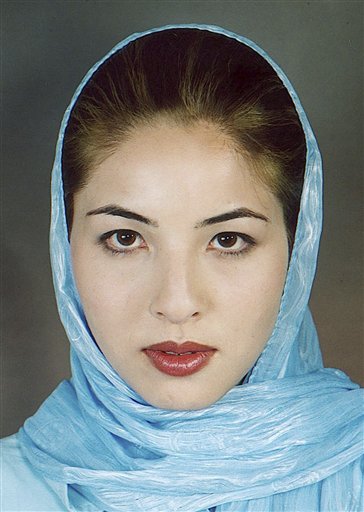 (6 May 2009) The International Campaign for Human Rights in Iran expressed serious concerns regarding the secrecy and continued lack of transparency surrounding the prosecution of Iranian-American journalist Roxana Saberi, and asked the Iranian Judiciary to adhere to international standards of due process and allow independent observers in the courtroom at her appeals trial.
The Campaign called upon the Judiciary to allow representatives of the Defenders of Human Rights Center (DHRC), a group led by Nobel Peace Laureate and human rights lawyer Shirin Ebadi, to observe the trial, which will take place next week.
“In the absence of independent observers, Saberi’s prosecution will continue to lack legitimacy and will further deprive her of due process,” said Campaign spokesperson Hadi Ghaemi.
“Here’s a chance for the Iranian justice system to demonstrate its impartiality and independence from the Intelligence Ministry. But the planned secret appeals trial can be manipulated by the intelligence apparatus, and will not serve justice,” he added.
On 5 May 2009, Alireza Jamshidi, the Judiciary’s spokesperson, told a press conference that Saberi’s appeals trial will take place next week at Branch 14 of Tehran’s Appeals Court. He said the trial will be closed to the public and will include representatives of the Intelligence Ministry, the Prosecutor’s Office and the Iranian Bar Association.
While the presence of an intelligence official and prosecutor is routine in cases brought against defendants by the Intelligence Ministry, the addition of a member of the Bar Association appears to be a ploy to deflect attention from the fact that authorities have denied Saberi the right to independent counsel by refusing her to employ Shirin Ebadi and her team of lawyers to represent her.
After Saberi’s conviction to eight years in prison on espionage charges on 18 April by a lower court, her family asked Shirin Ebadi and her colleagues from DHRC to represent her. However, after five attempts by Ebadi and her colleagues to meet with Saberi and prepare for her defense, the authorities refused to allow her to choose her legal representation.
The Campaign noted that the Iranian Bar Association lacks independence and is controlled by the Judiciary, which has previously prevented Bar Association members to elect independent lawyers on its board.
The continued secrecy regarding the evidence against Saberi is a violation of Iranian laws and international standards for fair trials. The authorities have failed to even disclose under what article of the law Saberi has been indicted. Her father has publicly announced that Saberi’s conviction is based on confessions extracted under duress and false promises made by her interrogators.
Although Iranian officials, including President Ahmadinejad and head of the Judiciary Ayatollah Mahmoud Hashemi Shahroudi, have called for a fair appeals process, legal proceedings continue to demonstrate a lack of conformity to due process standards. Those calls for fairness and justice now seem insincere or are possibly being disregarded.
In light of the Judiciary’s failure to disclose convincing evidence against Saberi, the Campaign called on the Iranian authorities to acquit and release Saberi during the appeals process.
“Any other outcome from the appeals process, given absolute lack of evidence, would be unacceptable and should be strongly condemned by the international community,” Ghaemi said.